AL-1 (학술상)

1967년도 제정
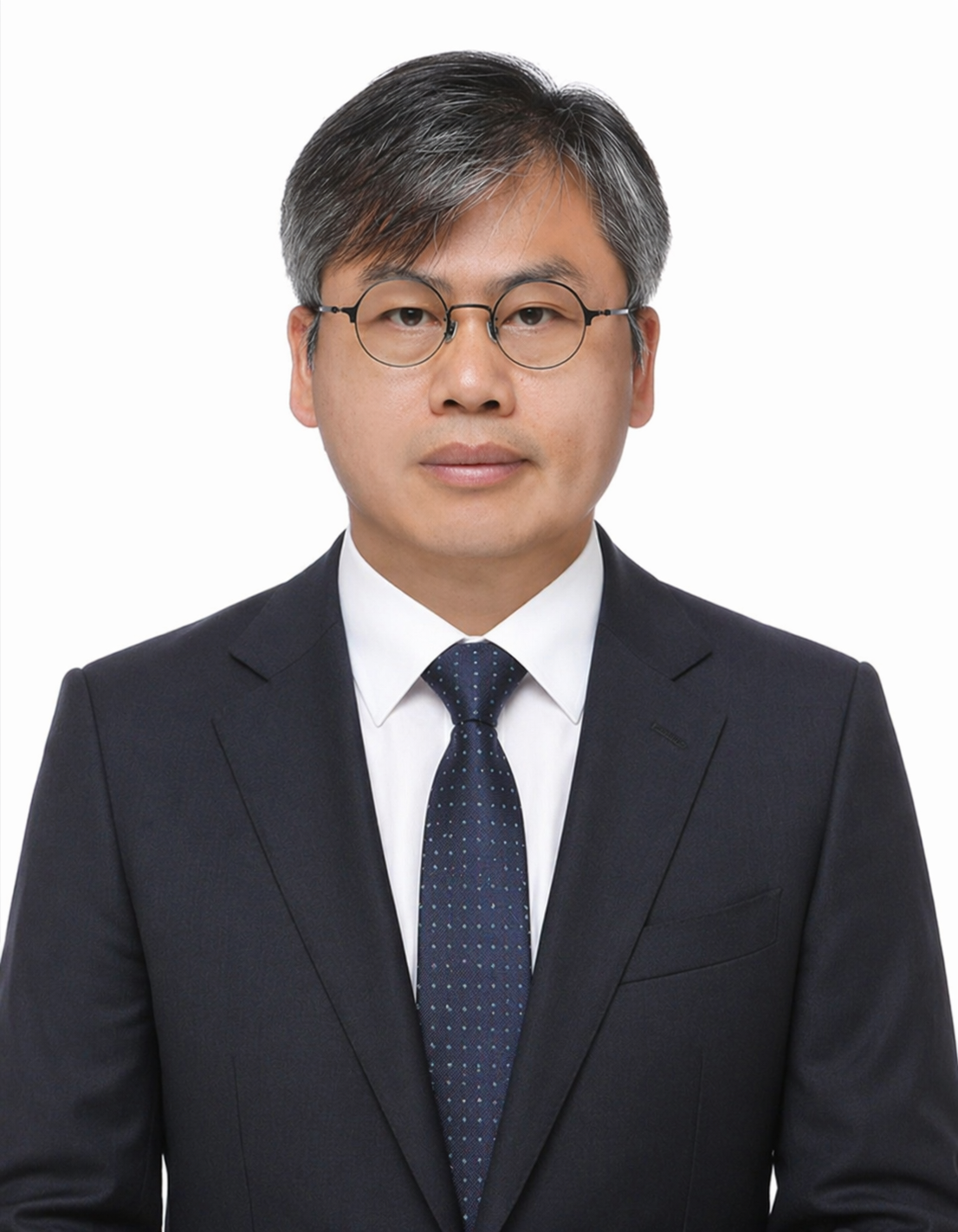
A Biochar-Based Carbon-Negative Strategy for Converting Waste into High-Value Carbon Resources
Dong-Cheol Seo
Division of Applied Life Science (BK21 Four) & Institute of Agricultural and Life Sciences, Gyeongsang National University, Jinju, 52828, Republic of Korea
As the climate crisis intensifies, there is a growing need for practical solutions that can simultaneously reduce greenhouse gas (GHG) emissions and promote resource recycling. My research has focused on developing technologies for nitrogen and phosphorus treatment, heavy-metal adsorption, and greenhouse gas mitigation, applying these approaches to constructed wetlands and agricultural environments. More recently, the work has expanded to pioneering biochar-based carbon materials for carbon sequestration and resource recycling. To address the relatively limited progress in GHG reduction within the agriculture and livestock sectors, this work focuses on the agricultural use of biochar produced from agricultural residues and livestock manure. This approach establishes an integrated framework for simultaneously achieving GHG mitigation and soil improvement. In particular, byproducts generated during the conversion of aging coal-fired power plants to biomass thermal power plants were identified as biochar. Their effectiveness in enhancing crop productivity and improving soil properties was demonstrated, leading to the first regulatory approval of biochar as a fertilizer in Korea in 2021. Subsequently, the technology is being adopted and scaled through national GHG mitigation programs in agriculture. This research also addressed environmental concerns associated with livestock burial following disease outbreaks by developing animal-derived biochar from livestock carcasses. Unlike plant-based biochar, this material exhibits distinct physicochemical characteristics and shows strong potential as a high-performance soil amendment. It was found to simultaneously promote crop growth and improve soil quality. To address livestock manure and odor issues, high-functional bedding materials based on biochar have been developed. These materials mitigate odors, prolong the service life of bedding, and accelerate the composting process of manure, thereby establishing a high-value-added recycling model for waste resources. This research series is recognized as a representative carbon-negative technology that integrates carbon sequestration, resource recycling, and environmental improvement through the use of biomass-based biochar. Future expansion through standardization and policy alignment is anticipated to be a critical catalyst for achieving carbon neutrality in the agricultural and livestock industries.
AL-2 (기창(基倉)과학상)
기창(基倉) 한태룡 전임회장의 후원으로 2010년도 제정
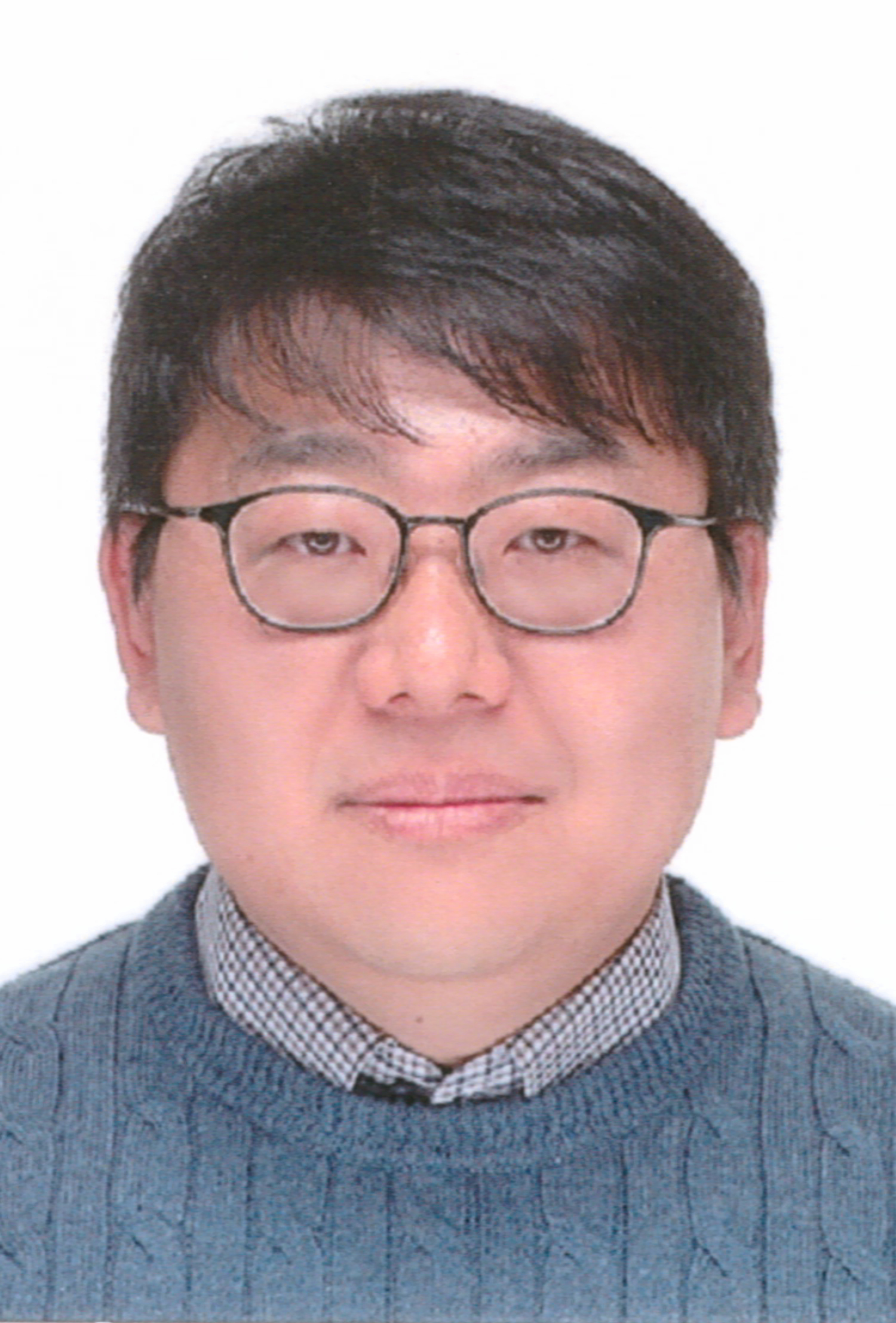
ntegrated Metabolite Profiling for Quality Evaluation and Functional Standardization of Spinach (Spinacia oleracea L.)
Hyung Won Ryu
Natural Product Research Center and Natural Product Central Bank, KRIBB, 30-Yeongudanji-ro, Ochang-eup, Cheongwon-gu, Cheongju-si, Chungcheongbuk-do 28116, Republic of Korea
Spinach (Spinacia oleracea L.) is widely consumed as a nutrient-rich leafy vegetable and is recognized as a valuable source of health-promoting phytochemicals. However, comprehensive information on the variation of major functional metabolites in spinach according to cultivation region, cultivar, and growing season remains limited. In this study, functional phytochemicals in Korean spinach were systematically characterized by integrating metabolomic profiling, structural elucidation, and quantitative analysis. Flavonoid profiles of winter spinach cultivated in three Korean regions were analyzed using UPLC-QTOF-MS combined with multivariate analysis, while policosanols were quantified by GC-MS. In parallel, total saponin contents in 15 spinach cultivars harvested across different growing seasons were evaluated using gravimetric, spectrophotometric, and UPLC-CAD methods, and major saponins were isolated and identified by NMR and UPLC-QTOF-MS. PLS-DA clearly distinguished spinach samples according to cultivation region, and seven flavonoids, including patuletin and spinacetin derivatives, were identified as key regional markers. Although total flavonoid levels were comparable among regions, individual marker compounds differed significantly. Policosanol contents ranged from 53.6 to 59.2 mg/100g, indicating winter spinach as a potential dietary source of policosanols. In saponin analysis, five new oleanane-type saponins, spinaciasaponins A-E, together with the known compound celosin I, were characterized. Seasonal and cultivar-dependent variation was evident, with the highest saponin levels observed in spring, particularly in the Luckyyou and Shinwoldong cultivars. Spinaciasaponin B was most abundant in Luckyyou, whereas spinaciasaponin E was highest in Shinwoldong. These findings provide an integrated phytochemical basis for the quality evaluation, standardization, and functional utilization of spinach as a health-promoting food material.
AL-3 (HAN BIO Award)
한바이오 그룹 후원으로 2022년도 제정
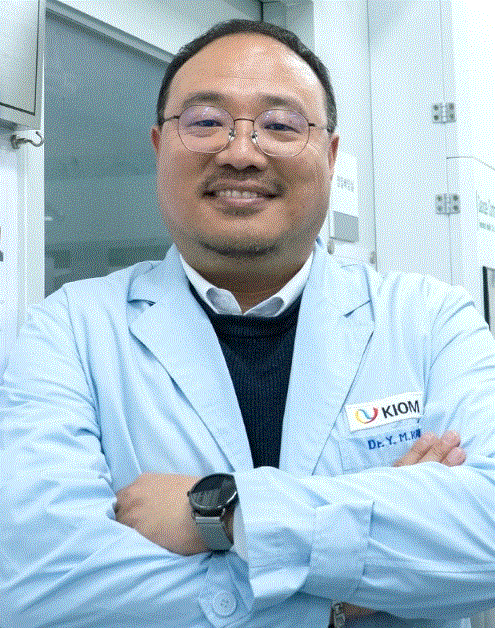
Smart-Herbalomics: Advancing Medi-foods and APIs Production via Multi-Omics Platform in Controlled Phytotron Environments
Youngmin Kang
1Herbal Medicine Resources Research Center, Korea Institute of Oriental Medicine (KIOM), 111 Geonjae-ro, Naju-si, Jeollanam-do 58245, Republic of Korea,
2University of Science & Technology (UST), Korean Convergence Medical Science Major,
Campus of KIOM, Daejeon 34054, Republic of Korea
Traditional medicine has served as a vital pillar of global healthcare for centuries; however, the current over-reliance on wild-sourced medicinal plants—with over 90% harvested directly from natural habitats—has precipitated a severe biodiversity crisis. To address these challenges, our group propose "Smart-Herbalomics (SH)," a pioneering interdisciplinary framework designed to bridge ancestral ethnopharmacological wisdom with modern biotechnological precision. The primary objective of SH is to ensure the conservation of medicinal species while optimizing their therapeutic efficacy and safety for the development of high-value Medi-foods and Active Pharmaceutical Ingredients (APIs). The SH framework integrates advanced genetic identification with standardized propagation in controlled environments, such as phytotrons and smart farms, to guarantee genetic integrity and phytochemical consistency. As a representative application, our research focuses on Polygonum multiflorum, a species traditionally prized in East Asian medicine for its antioxidant and anti-inflammatory activities, attributed to bioactive compounds such as 2,3,5,4'-tetrahydroxystilbene-2-O-β-D-glucoside (THSG), emodin, and physcion. To establish a robust evidence base, this approach incorporates a comprehensive, multi-tiered validation pipeline encompassing in vitro cell-based assays for mechanistic elucidation, in vivo pre-clinical models for safety and efficacy, and clinical trials for human validation. Central to this methodology is the application of multi-omics tools—including genomics, transcriptomics, proteomics, and metabolomics—to decode the complex molecular networks of herbal compounds. Ultimately, SH represents a transformative, integrative pathway for developing standardized, evidence-based, and eco-conscious herbal therapies. Future studies will focus on improving the bio-availability, stability, and safety of these APIs within human-relevant delivery systems, ensuring maximal biological effectiveness. Standardized cultivation, processing, and extraction strategies not only support reproducibility but also enable the translation of Polygonum multiflorum into clinically relevant Medi-foods and therapeutic applications, bridging traditional knowledge with modern food–medicine integration. Thus, it will be offering strong potential for integration with the Smart-Herbalomics system to achieve data-driven optimization and standardization. This work was supported by the National Research Foundation of Korea (NRF) (NSN2314020: NRF 2023R1A2C3004706, RS-2023-NR077258) and Korea Institute of Oriental Medicine (KSN2512030) through the Ministry of Science and ICT, Republic of Korea. Additionally, it was funded by the Collection, Conservation and Characteristic Assessment of Forest Life Resources (2020-2026), the National Forest Seed and Variety Center under Korea Forest Service.
Keyword: Polygonum multiflorum, Medi-foods,, Active pharmaceutical ingredients (APIs), Smart-Herbalomics (SH)